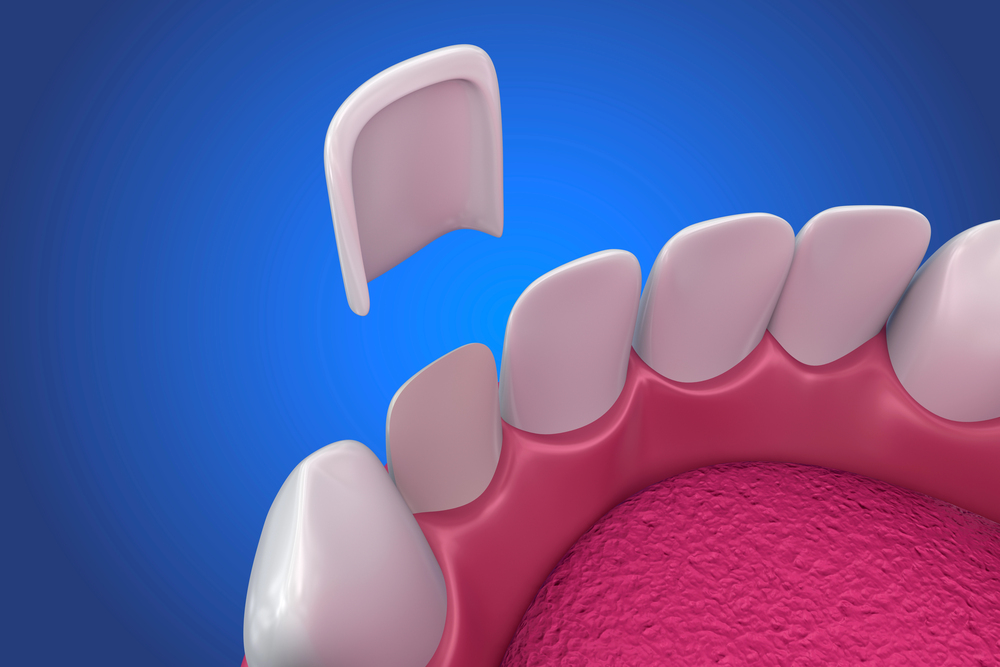
If you’re curious about veneers but have been diagnosed with gum issues, you may wonder whether treatment is still possible. Understanding how gum health affects smile makeovers matters before pursuing cosmetic dentistry in Lombard, IL, or anywhere else.
Even if you have healthy gums, it’s always recommended to consult with a trusted provider before getting veneers. So, if you’re interested in enhancing your smile with veneers or other cosmetic procedures, call Dr. Julie Glud at (630) 629-5700 to book a consultation at Dental Care of Lombard today!
Gum disease influences treatment timing and outcomes when it comes to placing veneers, a common cosmetic prosthetic. This blog explains how gum health, periodontal therapy, and restorative planning work together when considering veneers with gum disease.
Why Gum Health Matters for Veneers
Veneers bond to tooth enamel near the gum line. So, if the gums are inflamed or receding, the veneers may:
- Expose margins that look uneven
- Trap bacteria, increasing the risk of decay and bad breath
- Fail sooner due to poor support
Healthy gum tissue helps create a tight seal around teeth. This seal supports the longevity of dental prosthetics and reduces the chances of complications.
Can You Get Veneers with Gum Disease?
The short answer is not immediately. If gum disease is active, placing veneers before treatment can lead to poor fit and premature failure. Therefore, Dr. Glud must first address the periodontal condition.
However, if gum disease is mild and treated effectively, you can receive cosmetic treatments once your gums are stable and healthy. Dr. Glud insists on gum stability before cosmetic procedures.
Treating Gum Disease Before Cosmetic Procedures
Before Dr. Glud can place veneers, she may recommend:
- Professional deep cleaning (i.e., scaling and root planing)
- Antibiotic therapy for harmful bacteria
- Improved daily brushing and flossing
- Regular periodontal maintenance visits
Treating gum disease first sets the foundation for healthy tissues that support prosthetics. Skipping this step can result in gum inflammation around the new restorations.
How Gum Disease Treatment Works
Dr. Glud may suggest one, some, or all of the following:
Scaling and Root Planing
This non-surgical procedure destroys plaque and tartar hidden underneath gum tissue. Not only that, but it smooths the tooth’s root so the gums can heal and reattach to the tooth.
Antibiotic Support
Sometimes, Dr. Glud uses localized antibiotics to reduce bacterial infection in periodontal pockets.
Home Care Improvement
Patients must improve oral hygiene at home to maintain periodontal health. This includes brushing twice daily and cleaning between teeth with floss or special tools to keep bacteria away.
Periodontal Health and Prosthetic Success
Recent scholarly evidence shows that treating periodontal disease before placing prosthetics like veneers or implant-attached crowns significantly improves long-term success. The evidence is clear – gum health is a priority before, during, and after cosmetic enhancements.
How Dental Prosthetics Affect Gum Health
Veneers themselves do not cause gum disease. However, poorly fitted prosthetics or rough margins can trap plaque. So, if gums are already weak or inflamed, this increases the risk of recurrence.
Timing Cosmetic Care After Gum Treatment
Once gum disease is controlled, Dr. Glud often waits to ensure stability before placing veneers. This waiting period allows:
- Reduction of inflammation
- Tissue healing and maturation
- Accurate impressions and fit
- Prediction of future gum position
How Dentists Evaluate Readiness for Veneers
Before proceeding, Dr. Glud will assess:
- Gum pocket depth
- Bleeding on probing
- Gum recession
- Bone support on X-rays
- Plaque control at home
If all indicators point to healthy tissues, you may be a candidate for cosmetic treatment.
Veneers and Gum Recession
If gum recession has already occurred due to past periodontal disease, Dr. Glud may combine veneers with soft tissue grafts or other periodontal procedures. This combination improves both function and esthetics.
Daily Care to Support Veneers and Gum Health
Once you receive treatment, maintaining gum health is crucial. Daily care includes:
- Brushing gently but thoroughly
- Using interdental brushes or floss
- Attending regular dental cleanings with Dr. Glud
- Avoiding habits that irritate the gums, like tobacco and alcohol use
Veneers and Long-Term Success
In many cases, veneers can successfully enhance one’s smile for decades with great care. Long-term success of treatment depends on:
- Excellent gum health
- Proper fit and margin placement
- Daily plaque control
- Routine dental visits
Signs of Gum Problems Around Veneers
Being aware of the signs and symptoms of gum disease may help you keep your veneers healthier for longer. So, after receiving veneers, watch for symptoms that may indicate gum issues, such as:
- Red or swollen gums
- Bleeding while brushing
- Persistent bad breath
- Pain around the margins of the veneers
- Noticeable discoloration around the gum line
If any symptom appears, contact Dr. Glud promptly. Early intervention prevents more serious complications.
Common Myths About Gum Disease and Veneers
Don’t trust everything you hear about gum disease and cosmetic procedures. Here’s what our Lombard cosmetic dentist wants you to know:
Myth: Gum Disease Means You Can Never Have Veneers
Not true. You can have veneers after your gum condition is treated and stable.
Myth: Veneers Fix Gum Problems
Not true. Veneers improve one’s appearance, but they do not treat gum disease. Periodontal therapy must come first.
Myth: Veneers Cause Gum Disease
Properly made and fitted veneers do not cause gum disease. Poor hygiene and bacterial buildup do. So, brush after meals, clean interdental spaces daily, and book twice-yearly exams and cleanings with Dr. Glud.
Treat Gum Disease Before Veneers with Your Lombard Dentist
If you have gum disease but want veneers, treatment is not off-limits. It just requires correct sequencing.
First, stabilize gum health with periodontal therapy at Dental Care of Lombard. Then, reassess tissues before planning veneer placement.
Healthy gums support better fittings, long-lasting results, and a more attractive finish. So, if you’re ready to enhance your smile with cosmetic procedures, but you’re living with gum disease, now’s the time to take action. Click here to request gum treatment with Dr. Julie Glud in Lombard, IL, or contact us at (630) 629-5700 to book your visit now.