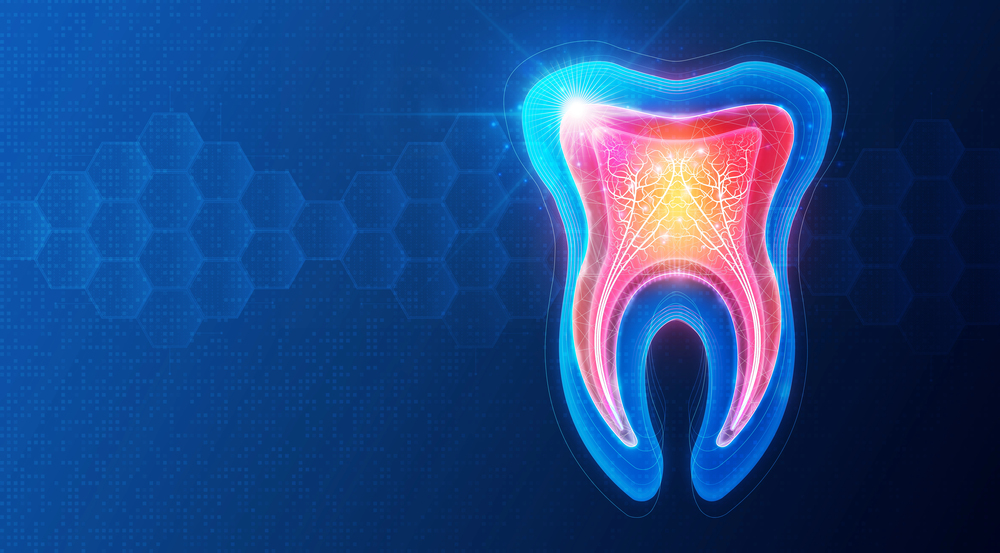
Emerging dental technologies promise better healing and longer-lasting results. One topic gaining attention is regenerative dentistry. According to your Lombard dentist, this evolving field focuses on helping the body rebuild damaged dental tissues instead of simply replacing them.
Regenerative dentistry is the future of comprehensive dental care. Want to learn more? Call Dr. Julie Glud at Dental Care of Lombard, IL, at (630) 629-5700 to see how regenerative dentistry can restore and strengthen your smile.
Understanding Regenerative Dentistry
Regenerative dentistry is a branch of dental science that aims to restore lost or damaged oral tissues using biological methods. These tissues include:
- Bone
- Gums
- Dental pulp
- Enamel
- Periodontal ligaments
But what does this mean, exactly? Well, instead of filling, removing, or replacing tissue with artificial materials alone, regenerative dentistry stimulates the body’s own repair mechanisms.
Researchers draw from stem cell biology, tissue engineering, and molecular biology. The focus is on encouraging cells to regenerate natural structures. Your Lombard dentist says that regenerative dentistry works with the body rather than against it.
How Regenerative Dentistry Differs from Traditional Dentistry
Traditional dentistry focuses on repair and replacement. For example, fillings restore tooth structure after decay, crowns protect weakened teeth, and implants replace missing teeth with artificial roots. These methods work well, but they do not regenerate living tissue.
Regenerative dentistry takes a different approach. It seeks to rebuild what was lost. Instead of removing diseased tissue and sealing the area, regenerative methods attempt to restore healthy tissue function. For patients, this may mean improved healing, stronger support structures, and better long-term outcomes.
However, your Lombard dentist notes that regenerative dentistry does not replace conventional care. Instead, it complements existing treatments and expands future options.
The Science Behind Regenerative Dentistry
Several scientific tools support regenerative dentistry. Each plays a specific role in tissue restoration.
Stem Cells in Dentistry
Stem cells are cells that can develop into specialized tissues. In dentistry, researchers study dental pulp stem cells, periodontal ligament stem cells, and bone-derived stem cells. These cells show the ability to form dentin, bone, and connective tissue under controlled conditions.
Scholarly studies published within the last five years report that dental pulp stem cells can promote pulp regeneration and blood vessel formation in regenerative endodontic procedures. This finding supports the idea that living tissue can be restored inside teeth previously considered non-vital.
Growth Factors and Signaling Molecules
Growth factors are proteins that tell cells how to behave. They regulate cell growth, movement, and specialization. In regenerative dentistry, growth factors guide stem cells to form bone, gum tissue, or dental pulp.
These biological signals help ensure that regenerated tissue develops correctly. Your Lombard dentist says growth factors are a key component of advanced bone or gum therapies.
Scaffolds and Biomaterials
Scaffolds are temporary structures that support cell growth. They are made from biocompatible materials that dissolve as new tissue forms. Cells attach to the scaffold, multiply, and create new tissue in the correct shape.
Scaffolds play a key role in bone regeneration and periodontal repair. They give structure to the healing process while allowing natural tissue development.
Applications of Regenerative Dentistry in Patient Care
Regenerative dentistry is already influencing several areas of dental treatment. While many techniques are still under study, some are used clinically today.
Periodontal Regeneration
Periodontal disease damages the gums and bone supporting teeth. Traditional treatment removes the infection but cannot fully restore lost structures. Regenerative periodontal therapy aims to rebuild bone and ligament tissue.
Clinical studies show that stem cell-based therapies may improve attachment levels and bone density in patients with advanced gum disease. These findings suggest regenerative methods could reduce tooth loss associated with periodontal disease. That’s why your Lombard dentist may discuss regenerative options when treating moderate to severe gum disease.
Regenerative Endodontics
Root canal therapy removes infected pulp tissue and seals the tooth. Regenerative endodontics seeks to restore living tissue inside the tooth. This approach may allow continued root development and improved tooth strength, especially in younger patients.
Recent scholarly reviews confirm that regenerative endodontic procedures can promote tissue growth and revascularization. However, researchers emphasize the need for standardized protocols and long-term data. Therefore, patients interested in this option should consult their Lombard dentist before seeking treatment.
Bone Regeneration for Dental Implants
Dental implants require adequate bone for stability. When bone loss occurs, regenerative techniques can help rebuild the jaw before implant placement. These methods may include stem cells, growth factors, and scaffolds.
Research supports the effectiveness of biologically enhanced bone grafts. Studies show improved bone volume and faster healing compared to conventional grafting alone. Subsequently, your Lombard dentist may recommend regenerative bone therapy to improve implant success rates.
Benefits of Regenerative Dentistry for Patients
Regenerative dentistry offers several potential benefits that interest both patients and providers.
Natural Healing
Biological regeneration promotes tissue that behaves like the original structure. This can improve strength, function, and longevity.
Reduced Invasiveness
Some regenerative approaches may reduce the need for extensive surgery or repeated interventions.
Long-Term Oral Health
By restoring tissue instead of replacing it, regenerative dentistry may lower the risk of future complications.
The Future of Regenerative Dentistry
The future of regenerative dentistry is promising. Researchers are exploring enamel regeneration, whole tooth bioengineering, and gene-based therapies that activate natural repair pathways.
Laboratory studies show that certain signaling molecules can stimulate dormant tooth-forming cells. While these treatments are not yet available in routine care, they represent a major shift in dental science.
As research advances, more regenerative options may move from the lab to the dental office. That’s why your Lombard dentist stays informed on these developments. Providing the highest level of care is always Dr. Glud’s goal.
Experience Innovative Dentistry with Your Lombard Dentist Today!
Regenerative dentistry represents a significant advancement in modern dental care. By focusing on biological healing and tissue restoration, it offers new possibilities for treating gum disease, tooth damage, and bone loss.
While not every treatment is available today, the field continues to grow. Want to learn more from a trusted Lombard dentist? Click here to request information and appointments at Dental Care of Lombard, IL, or call (630) 629-5700 to stay informed, healthy, and happy.