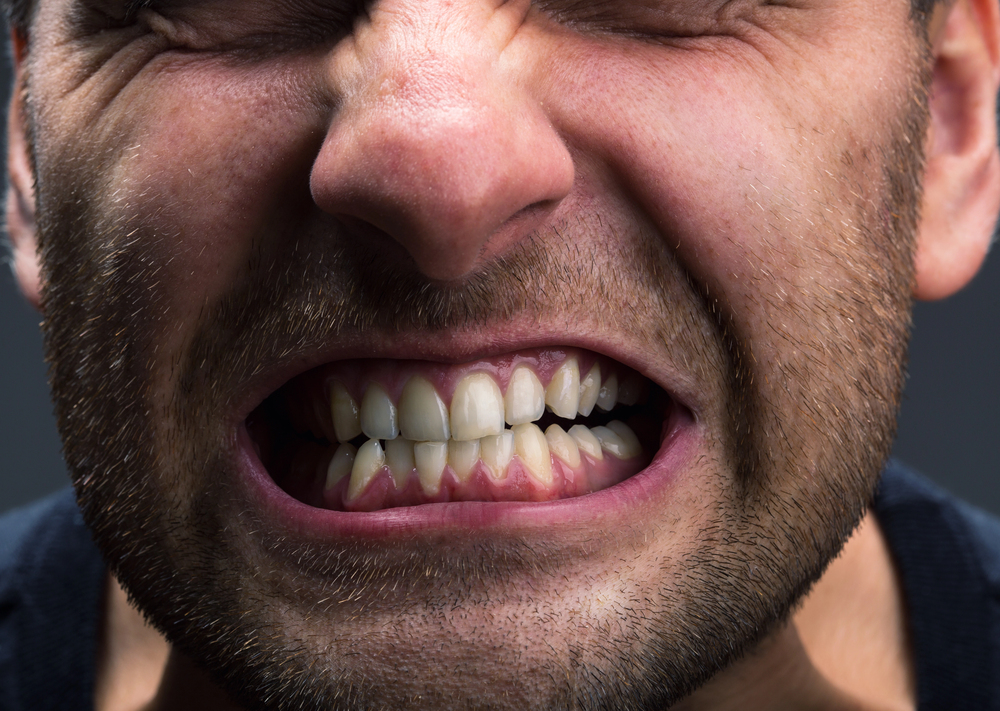
Do you often experience jaw pain, headaches, or sensitive teeth? These symptoms are likely due to unintentional teeth grinding. Many people grind or clench their teeth – a condition called bruxism – and it can affect your dental health and quality of life. In this blog, your dentist in Lombard, IL, tells you why this happens and how you can stop grinding your teeth for good.
Bruxism isn’t just annoying. It can lead to chipped teeth, worn enamel, jaw soreness, and disrupted sleep if left untreated. Talking with your dentist in Lombard, IL, can help. Call Dr. Julie Glud and the Dental Care of Lombard team at (630) 629-5700 to understand what’s triggering your grinding and how best to manage it.
What Is Teeth Grinding (Bruxism)?
Bruxism is the fancy term for clenching or grinding your teeth. It can occur while you’re conscious (awake bruxism) or while you’re sleeping (sleep bruxism). Regardless of when it happens, it is often unintentional. That’s right – most people don’t even realize they’re grinding until a dental professional notices signs like:
- Flattened or worn enamel
- Increased tooth sensitivity
- Jaw muscle discomfort
Luckily, your dentist in Lombard, IL, can usually spot these signs during a routine exam and recommend appropriate treatment.
How Common Is Bruxism?
Bruxism is common around the world. Research shows that around 22% of people may experience bruxism, with sleep bruxism happening in an estimated 21% of individuals and awake bruxism in about 23%.
This means that around one out of every five people may grind their teeth at some point. Knowing this can help you understand that bruxism isn’t unusual, and it’s something your dental care team is well-equipped to address.
Why Do People Grind Their Teeth?
There’s no one single cause of teeth grinding, but several factors are often involved:
- Stress and Anxiety: Emotional strain increases muscle tension in the jaw.
- Sleep Disorders: Issues like sleep apnea can trigger nighttime grinding.
- Lifestyle Factors: Caffeine, alcohol, and smoking are linked to higher grinding rates.
- Bite Misalignment: When your upper and lower teeth don’t align well, your jaw muscles compensate. Your dentist in Lombard, IL, can assess this.
- Genetics and Family History: Bruxism can run in families.
How a Dentist in Lombard, IL, Diagnoses Bruxism
During a dental exam, your dentist in Lombard, IL, will look for:
- Worn tooth surfaces
- Tooth fractures or chips
- Jaw muscle tenderness
- Headache patterns in the morning
X-rays or additional imaging may help rule out other dental issues and determine the best treatment approach.
Your dentist in Lombard, IL, might also ask about your sleep patterns and stress levels. Accurate diagnosis ensures your treatment targets the root cause, not just the symptoms.
Mouthguards and Night Guards: What They Do
One of the first tools your dentist in Lombard, IL, may recommend is a custom night guard. Here’s why:
- It creates a protective barrier between your upper and lower teeth
- It provides extra cushioning to reduce dental wear
- It protects enamel from repeated grinding
- It reduces jaw muscle fatigue
Although night guards don’t necessarily stop the grinding itself, they prevent long-term damage and can lessen muscle strain.
Why Custom Is Better Than Over-the-Counter
Over-the-counter guards may fit poorly and cause discomfort or even worsen misalignment. A custom night guard crafted by your dentist in Lombard, IL, fits your bite precisely, offering better protection and comfort.
Lifestyle Changes That Help Reduce Grinding
Many people partner with their dentist in Lombard, IL, to combine dental protection with lifestyle shifts that reduce grinding triggers.
Reducing Stress
Stress is a major contributor to bruxism. For many patients, limiting stress helps mitigate grinding. Here are some calming techniques that might help you get quick relief:
- Taking deep, controlled breaths
- Meditating
- Gentle stretching and yoga
These strategies can reduce jaw tension, especially before sleep.
Better Sleep Habits
Sleep quality matters. A regular bedtime routine and avoiding screens before bed can help your body relax and minimize nighttime tension. If signs of a sleep disorder appear, your dentist in Lombard, IL, may recommend a sleep study.
Cut Back on Stimulants
Caffeine and alcohol can increase muscle activity and make grinding worse. Cutting back, especially before bedtime, may improve your symptoms.
Avoid Chewy and Hard Foods
Chewing gum or eating hard foods can overwork your jaw muscles. Your dentist in Lombard, IL, may suggest avoiding these if you’re struggling with bruxism.
Exercise and Jaw Relaxation Techniques
Simple jaw exercises can promote relaxation and muscle control. Some techniques your dentist in Lombard, IL, might teach you include:
- Placing the tip of your tongue between your teeth during the day
- Performing gentle jaw stretches
- Applying a warm compress before sleep
These exercises help your muscles relax and can reduce both awake and sleep bruxism over time.
Dental Corrections That Can Help
If misaligned teeth contribute to your grinding, your dentist in Lombard, IL, might recommend restorative or orthodontic options, such as:
- Minor reshaping of tooth surfaces
- Orthodontics (braces or clear aligners)
- Crowns to restore worn teeth
These dental corrections can improve your bite and reduce grinding triggers.
Special Treatments: Botox® and Muscle Relaxants
In severe cases, some people explore options like:
- Botox injections: Relax jaw muscles for months at a time.
- Muscle relaxant medications: Short-term relief before bedtime.
These are specialized treatments your dentist in Lombard, IL, will discuss only if standard approaches haven’t worked and after careful evaluation.
When to See a Dentist in Lombard, IL
You should schedule an appointment with Dr. Glud if you:
- Wake with jaw soreness or headaches
- Notice chipped, flattened, or worn teeth
- Hear grinding sounds during sleep
- Feel tension in your jaw muscles regularly
Your dentist in Lombard, IL, can assess both the cause and the most effective treatment plan for your bruxism.
Stop Grinding Now – Contact Dental Care of Lombard Today!
Bruxism has no simple, one-size-fits-all cure, but a combination of dental care and lifestyle changes can significantly reduce or even stop your grinding episodes.
With help from your trusted dentist in Lombard, IL, you can protect your teeth, ease jaw tension, and improve your sleep. So, if you’re ready to take control of bruxism, click here to schedule a consultation with Dr. Julie Glud, or call us at (630) 629-5700 for a healthier, more comfortable smile today!